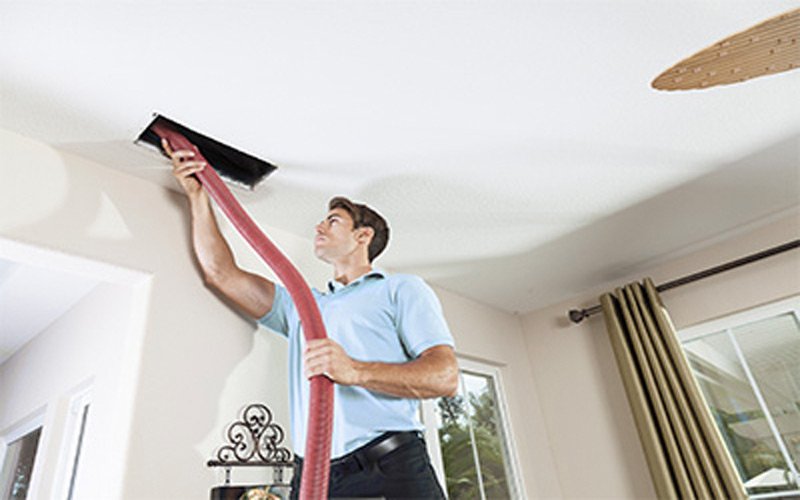
A damaged sewer line can affect more than your home’s plumbing system. It can allow harmful gases and airborne contaminants to enter your living space, potentially compromising indoor air quality and posing health risks. A professional sewer line inspection can help identify hidden pipe defects and potential sources of contamination before they lead to more serious problems.
Sewer Gas Dangers From Damaged Sewer Lines
A damaged sewer line can create a pathway for harmful gases, unpleasant odors, and moisture to infiltrate your living space. When cracks, loose connections, or deteriorating pipe sections compromise the integrity of your sewer system, gases produced during the decomposition of organic waste can escape into the surrounding soil and potentially migrate indoors.
These emissions may contain hydrogen sulfide, methane, ammonia, and other airborne contaminants that affect indoor air quality. Additionally, wastewater leaking beneath your home’s foundation or into your crawl space can create damp conditions that encourage mold growth and microbial activity, introducing further air quality concerns.
A damaged sewer line may therefore affect indoor air quality even when wastewater remains invisible and household drains appear to function normally.
The severity of contamination and associated sewer gas dangers depends on the location of the damage, the concentration of gases, the available pathways into the home, and the effectiveness of indoor ventilation. An HVAC contractor can assess whether inadequate ventilation contributes to indoor gas accumulation.
The relationship between underground plumbing and indoor air quality becomes particularly important in homes with below-grade living spaces, concealed plumbing networks, and deteriorating foundations.
How Sewer Line Leaks Lead to Inhaling Sewer Gas
Sewer gas can travel through surprisingly small openings in your home’s plumbing system and structural foundation.
Escaping gases can occupy air-filled spaces within the soil, gravel bedding surrounding underground pipes, and cavities beneath concrete flooring. The loose backfill surrounding underground sewer pipes can provide a preferential pathway for escaping gases. Once these gases reach the building envelope, they may enter through foundation cracks, expansion joints, slab penetrations, gaps around utility lines, sump openings, and gaps beneath partition walls.
Other common entry points include deteriorated plumbing connections and pipe seals, cracked drainpipes behind walls or beneath floors, and improperly sealed sewer cleanouts.
Sewer gas migration is influenced by the permeability of surrounding materials, the availability of concealed pathways, and differences in air pressure throughout the building.
Exhaust fans, dryers, and other mechanical ventilation systems may create negative pressure inside the home, drawing contaminated air through available openings and increasing the likelihood of occupants inhaling sewer gas. An HVAC professional can help identify ventilation and air pressure imbalances that contribute to this process.
Seasonal changes can influence this process. During colder months, warm indoor air rises and escapes through upper portions of the building, potentially drawing replacement air into lower levels. This phenomenon, known as the stack effect, can contribute to the infiltration of contaminated soil gas.
Consequently, the location where a homeowner notices an unpleasant odor may be some distance from the actual pipe defect.
Are Sewer Gases Toxic? What Makes Sewage Gases Dangerous?
Sewer gas can be toxic because it contains a variable mixture of chemicals with different health and safety implications. Wastewater temperature, microbial activity, oxygen availability, and the substances entering the sewer system can all influence the gases generated during decomposition.
Several chemical properties make sewage gases dangerous, particularly when they accumulate in enclosed or poorly ventilated spaces.
Hydrogen sulfide (H₂S) is a highly toxic gas that can affect the respiratory and nervous systems. At sufficiently high concentrations, it can interfere with the cellular processes responsible for using oxygen to produce energy.
Methane (CH₄) is an odorless, highly flammable gas that can displace oxygen when it accumulates in enclosed spaces. Ammonia (NH₃) is an irritant that can cause inflammation of the eyes, throat, and respiratory tract. Carbon dioxide (CO₂) is a gas that can contribute to oxygen deficiency at elevated concentrations.
Hydrogen sulfide can be detected by smell at concentrations far below those associated with serious poisoning. One particularly dangerous characteristic of hydrogen sulfide is its ability to impair your sense of smell. Prolonged exposure or elevated concentrations can cause olfactory fatigue, making an existing leak increasingly difficult to recognize by odor alone. This makes perceived odor intensity an unreliable measure of exposure severity.
The combination of toxicity, flammability, and the potential for undetected exposure makes sewage gases dangerous even when their presence is not immediately apparent.
Can Sewer Gas Make You Sick?
Repeatedly inhaling sewer gas can cause illness, particularly when exposure occurs in poorly ventilated areas. The health effects of sewer gas exposure can develop through three principal pathways: sensory irritation caused by contact with airborne irritants, odor-related responses associated with persistent offensive smells, and systemic toxicity associated with sufficiently high concentrations of toxic gases.
Some households experience episodic exposure associated with changing building pressures, wastewater discharge, or environmental conditions. This can make the relationship between indoor air contamination and physical symptoms difficult to recognize.
An important clue is whether symptoms follow a location-dependent pattern. For example, you may experience headaches while spending time in your basement, feel better after leaving the house, and develop symptoms again upon returning.
Keeping a record of symptom onset, affected rooms, odor occurrences, and time spent away from the property can provide useful information for healthcare professionals and environmental investigators assessing potential toxic sewer gas symptoms.
Because symptoms associated with sewer gas overlap with those caused by other indoor pollutants, including carbon monoxide, a broader investigation may be necessary to establish the cause.
Anyone experiencing persistent symptoms should seek medical advice alongside a professional inspection of their plumbing system.
Toxic Sewer Gas Symptoms and Long-Term Risks
The nature and severity of toxic sewer gas symptoms vary according to the chemical composition of the gas, its concentration, individual sensitivity, and the duration of exposure.
Common symptoms include persistent headaches and dizziness, nausea and vomiting, unusual fatigue or drowsiness, burning or watery eyes, nasal and throat irritation, persistent coughing, shortness of breath, and worsening asthma symptoms.
Household members with asthma or existing respiratory conditions may be particularly sensitive to airborne irritants.
Severe exposure can result in respiratory distress, seizures, loss of consciousness, and potentially fatal poisoning.
Repeated exposure to hydrogen sulfide may contribute to ongoing respiratory irritation and recurring headaches. Severe poisoning can also have lasting neurological and respiratory consequences.
Research into the long-term health effects of inhaling sewer gas at low residential concentrations remains limited, making the precise cumulative risks difficult to establish.
The potential for serious health complications at elevated concentrations is another factor that makes sewage gases dangerous.
Addressing recurring sewer gas infiltration promptly can help minimize unnecessary exposure. Anyone experiencing severe breathing difficulties, confusion, or loss of consciousness requires immediate evacuation and emergency medical attention.
Sewer Gas Dangers: Signs of Indoor Air Contamination
Recognizing potential sewer gas dangers involves identifying a combination of environmental, plumbing-related, and physical warning signs. Observing when and where these signs occur can provide valuable clues about the source of infiltration.
A persistent rotten-egg or sewage smell, especially around bathrooms, basements, or laundry rooms, is a warning sign. Stronger smells may occur near floor drains, toilets, plumbing access points, or foundation openings.
Unusual bubbling sounds may indicate drainage or plumbing ventilation problems. Moisture around foundation walls or flooring could indicate an underground wastewater leak.
Odors that become noticeable after heavy rainfall may indicate changes in soil saturation or sewer system conditions. Odors that intensify when exhaust fans operate may indicate pressure-driven gas infiltration. Smells that return shortly after drain traps are refilled may indicate concealed plumbing defects or compromised trap seals.
Odors in rooms without plumbing fixtures may indicate gas migration through concealed building cavities. Sewage smells that persist after drain cleaning may indicate an unresolved gas infiltration pathway. Odors that occur despite normal drainage may indicate a defect that permits gas escape without significantly restricting wastewater flow.
Documenting these naturally occurring patterns, along with potential toxic sewer gas symptoms, can help a plumbing professional narrow the scope of an investigation and avoid unnecessary excavation.
The absence of an odor cannot establish that your indoor air is safe.
A sudden, strong sulfur-like smell could also indicate a natural gas leak. Evacuate the property, avoid operating electrical switches or appliances, and contact emergency services or your gas utility from a safe location.
Air Quality Testing for Sewer Gas
Professional air quality testing for sewer gas involves measuring specific airborne chemicals, assessing their concentrations, and investigating potential sources of contamination within the property.
An effective sewer gas investigation examines three elements: the contaminant source, the migration pathway, and the occupant’s potential exposure.
Specialized sensors measure the concentration of hydrogen sulfide in indoor air. Gas detectors assess the presence of methane and potential flammability hazards. Professional instruments measure multiple gases and oxygen levels simultaneously.
The timing of air quality testing for sewer gas is particularly important. A brief measurement taken after windows have been opened or during a period of minimal gas infiltration may fail to capture representative exposure conditions.
A comprehensive investigation may involve measurements at several indoor locations, comparison with outdoor background conditions, and extended monitoring to identify intermittent gas infiltration that may go undetected during a single inspection.
Plumbing diagnostics provide additional evidence. High-resolution cameras help identify underground pipe fractures, deteriorated joints, root intrusion, and other structural defects. Plumbing smoke testing introduces test smoke into the plumbing system to reveal openings through which sewer gas could escape.
Camera footage alone cannot establish that a sewer pipe is gas-tight. Professional pressure testing can help establish leakage pathways and system integrity.
Combining air quality testing for sewer gas with plumbing diagnostics helps professionals determine the extent of contamination and identify the repairs necessary to resolve the underlying problem.
Using an Indoor Air Quality Monitor for Sewer Gas
An indoor air quality monitor for sewer gas can detect certain components of sewer gas if it contains sensors specifically designed for those chemicals. Most conventional household monitors measure particulate matter, carbon dioxide, volatile organic compounds (VOCs), temperature, and humidity. These devices typically lack dedicated hydrogen sulfide and methane sensors.
Some consumer monitors use broadly responsive chemical sensors that react to several airborne substances. This characteristic, known as cross-sensitivity, can produce elevated readings in response to cleaning products, cooking emissions, humidity changes, or other environmental factors. An increase in a general air quality score or total VOC reading cannot establish the presence or concentration of hydrogen sulfide.
When selecting an indoor air quality monitor for sewer gas, homeowners should look for equipment with appropriate sensing capabilities, measurement ranges, detection limits, and calibration requirements. Professional-grade instruments may be necessary when investigating low-level or intermittent contamination.
However, some professional gas detectors are designed primarily to identify hazardous occupational concentrations. Their detection limits may be unsuitable for investigating much lower concentrations associated with residential odor complaints.
Standard carbon monoxide alarms and smoke detectors cannot reliably identify sewer gas either.
A normal indoor air quality reading can therefore coexist with an undetected sewer gas leak. Homeowners experiencing persistent sewage odors should arrange a professional investigation regardless of the readings provided by their indoor air quality monitor for sewer gas.
Eliminating and Preventing Sewer Gas Dangers
Eliminating sewer gas dangers requires restoring the integrity of your plumbing system, closing gas infiltration pathways, and addressing any secondary contamination caused by wastewater leakage.
Once immediate safety concerns have been ruled out, the following measures can help resolve and prevent sewer gas problems.
Depending on the pipe’s condition, solutions may include localized repairs, trenchless pipe lining, or complete sewer line replacement. Following sewer line repairs, plumbers should evaluate the integrity of adjoining connections, drainage traps, ventilation components, and accessible pipe seals. Repair defective toilet seals, loose pipe connections, and damaged cleanout caps. Have blocked, damaged, or improperly installed vent pipes professionally assessed.
Address foundation cracks and gaps around plumbing penetrations after resolving the underlying sewer defect. Arrange appropriate cleaning, drying, and remediation of materials affected by sewage leaks. Wastewater-affected soil or porous building materials may require separate remediation, depending on the extent of contamination.
Introduce fresh air once the property has been assessed for hazardous gas concentrations. Air fresheners, odor-neutralizing products, and conventional HEPA air purifiers cannot eliminate an active sewer gas leak.
Post-repair verification is another important consideration. Where appropriate, repeat smoke testing, system integrity testing, or targeted air monitoring can help establish whether the original infiltration pathway has been eliminated. Consider additional air quality testing for sewer gas if contamination was confirmed or symptoms persist.
Homeowners should also monitor whether odors recur under the environmental conditions previously associated with the problem. These observations can help identify unresolved secondary defects before they develop into recurring indoor air quality complaints and expose household members to the risks of inhaling sewer gas.
Periodically run water into infrequently used sinks, showers, and floor drains to preserve their protective water seals. Periodically assess aging sewer infrastructure, particularly if your property has a history of blockages, root intrusion, or recurring drainage problems.