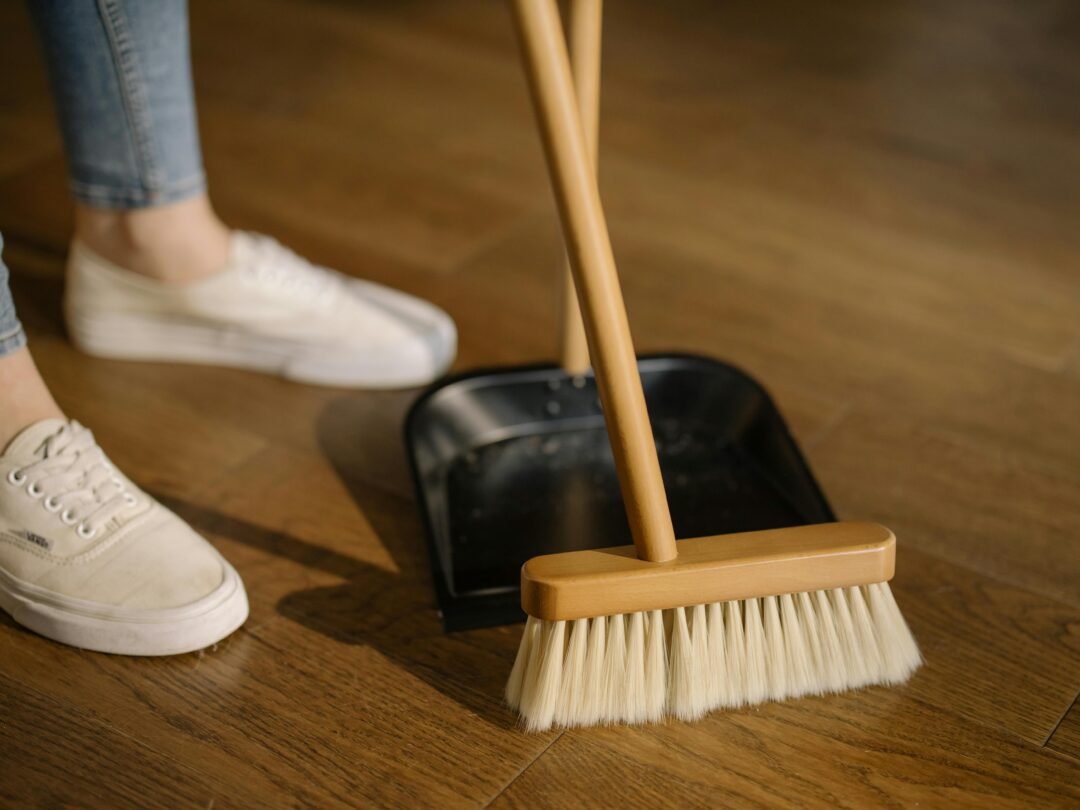
Keeping a home clean can sometimes feel like a never-ending task. Between work, family commitments, and everyday life, finding the time to thoroughly clean every room can be challenging. Many people try to speed things up by skipping steps or rushing through the process, but that often leads to missed spots and the need to clean again sooner than expected.
The good news is that cleaning your home faster does not have to mean sacrificing quality. With the right strategies, tools, and routines, you can maintain a spotless home while significantly reducing the time it takes to get the job done. Many homeowners even take inspiration from professional cleaners or services such as house cleaning in Essendon VIC, where efficient systems and structured workflows allow experienced cleaners to work quickly without overlooking important details.
Below are practical techniques you can use to clean smarter, faster, and more effectively.
Start With a Cleaning Plan
One of the biggest reasons cleaning takes longer than necessary is a lack of structure. When you move randomly between rooms or tasks, you often repeat work or lose time deciding what to do next.
Creating a simple cleaning plan helps streamline the process. Decide which rooms you will clean and in what order. Most professional cleaners follow a top-to-bottom and room-by-room approach, which prevents dust and debris from spreading into already cleaned areas.
For example:
- Start with bedrooms
- Move to bathrooms
- Continue to living areas
- Finish in the kitchen
Following the same order every time builds consistency and speed.
Declutter Before You Clean
Cleaning around clutter slows everything down. Moving objects repeatedly while wiping surfaces wastes valuable time and makes it harder to clean properly.
Before you begin any cleaning task, take five to ten minutes to put things back where they belong. This quick reset will make it far easier to wipe surfaces, vacuum floors, and tidy rooms efficiently.
A clutter-free space also helps maintain cleanliness for longer, reducing the frequency of deep cleaning sessions.
Use the Right Tools and Supplies
The tools you use can dramatically affect how quickly you clean. High-quality cleaning supplies allow you to complete tasks in fewer passes and with less effort.
Consider using:
- Microfibre cloths that trap dust effectively
- Multi-surface cleaners that reduce the number of products needed
- Lightweight cordless vacuums for quick floor cleaning
- Extendable dusters for ceilings and high surfaces
Keeping your cleaning supplies organised in a portable caddy also saves time. Instead of searching for products in different rooms, you can carry everything you need from space to space.
Clean From Top to Bottom
Cleaning in the wrong order can create unnecessary work. For instance, if you vacuum first and then dust shelves, the dust will fall onto freshly cleaned floors.
A top-to-bottom cleaning method prevents this problem.
Start with:
- Ceiling fans
- Light fixtures
- Shelves and furniture surfaces
Then move down to:
- Benches and tables
- Appliances
- Floors
By allowing dust and debris to fall downward naturally, you avoid having to repeat tasks.
Focus on High-Impact Areas First
Certain areas of the home make a bigger visual difference when cleaned. By tackling these high-impact spaces first, you can quickly improve the overall appearance of your home.
Key areas include:
- Kitchen benches and sinks
- Bathroom mirrors and taps
- Coffee tables and living room surfaces
- Entryways and visible floors
Even if you are short on time, focusing on these spaces can make your home feel noticeably cleaner.
Use Time Blocks for Each Room
A simple but effective technique is to assign a time limit for each room. This prevents you from spending too long on minor details while other areas still need attention.
For example:
- Bedrooms: 10 minutes each
- Bathroom: 15 minutes
- Kitchen: 20 minutes
- Living room: 15 minutes
Working within time blocks encourages efficiency and helps maintain momentum.
Clean as You Go
One of the fastest ways to reduce cleaning time is to avoid letting mess accumulate in the first place. Small daily habits can dramatically reduce the workload of larger cleaning sessions.
Some simple habits include:
- Wiping kitchen benches after cooking
- Cleaning bathroom surfaces after use
- Doing small loads of laundry regularly
- Putting items away immediately after using them
When mess is addressed quickly, it never grows into a time-consuming problem.
Work in One Direction
Professional cleaners often follow a systematic pattern when cleaning a room. Rather than moving randomly around the space, they work in one consistent direction.
For example, you might:
- Start at the doorway
- Move clockwise around the room
- Finish near the exit
This technique ensures every surface is covered without duplication or missed areas.
Combine Tasks When Possible
Multitasking can also speed up the cleaning process. Certain tasks can run in the background while you focus on something else.
For instance:
- Spray bathroom cleaner and allow it to sit while you wipe mirrors
- Run the dishwasher while cleaning kitchen surfaces
- Start laundry before vacuuming other rooms
Allowing cleaning products time to work also reduces scrubbing effort.
Maintain a Simple Weekly Cleaning Routine
Instead of tackling everything at once, spreading tasks across the week can make cleaning much faster and more manageable.
A simple routine might look like this:
Monday: Vacuum and mop floors
Tuesday: Clean bathrooms
Wednesday: Dust surfaces and furniture
Thursday: Kitchen deep clean
Friday: Laundry and bedding
Breaking cleaning tasks into smaller sessions prevents them from becoming overwhelming.
The Secret to Faster Cleaning
Cleaning your home quickly without cutting corners ultimately comes down to organisation and consistency. When you follow a structured system, use the right tools, and maintain small daily habits, even large cleaning tasks become far more manageable.
By thinking like professional cleaners and adopting efficient methods, you can maintain a tidy and welcoming home without spending hours each week on chores. Over time, these strategies become second nature, helping you keep your living space spotless while freeing up more time for the things that matter most.